Zero Trust and eSIM: Reinventing Mobile Connectivity for Modern Enterprises
 Global Enterprises
)
On this page
Share:
- Copy this linkLink copied to clipboard
Share:
- Copy this linkLink copied to clipboard
Secure corporate communication is essential for international businesses. However, with the increasing sophistication of cyberattacks and the rise of remote work, safeguarding multi-platform communications has become a challenge.
Summarize this article with AI
Traditional security models that rely on perimeter-based defenses are no longer sufficient to protect sensitive data from increasingly sophisticated attacks. The Zero Trust network architecture has emerged as a comprehensive strategy to address this.
Here, we explore the benefits, challenges, and best practices for maximizing international corporate communication security using Zero Trust policies. From retail stores to financial institutions and telcos, we explore the practical considerations of implementing and upholding Zero Trust standards within an organization.
As pioneers of professional connectivity, trusted by the world’s largest banks, and experts in mobile connectivity and eSIMs, 1GLOBAL has a record of introducing Zero Trust architecture into the connectivity departments of multinational businesses, aiding their digital transformation.
Our centrally controlled but globally distributed network provides a robust communications ecosystem with the resilience and capacity to meet the rigorous demands of modern business, including those with heightened regulatory obligations.
What is Zero Trust network security?
Zero Trust is not a technology, but rather a philosophy for building a professional communication environment. The system is outlined by the guiding principle: never trust, always verify.
At its most basic, Zero Trust is the concept that no user, device or connection is to be assumed legitimate simply because it’s already inside a network. Every interaction is considered a potential threat, so users and resources are all individually secured.
This is different from the traditional model of relying on an external perimeter of network defenses, sometime called a ‘castle and moat’ method. Some of the largest enterprise and government organizations’ most damaging breaches happened because once the attackers were given access to the ‘castle’, all internal systems offered no resistance.
This is not exclusively an issue with external threats and can include employees and contractors — as was the case with Edward Snowden. He was allowed past national-security grade perimeter defenses, after which no further authentication measures prevented him from finding and downloading top-secret information.
If the NSA had been using Zero Trust, Snowden would have needed additional authentication within the internal network, preventing him from accessing materials which he was not authorized for.
Zero Trust means continuous, dynamic authentication and authorization of every connection request. The result is significantly stronger security by preventing external access and limiting cross-system navigation by users. External user access can still be given after verification, but only if communication is encrypted.
The 4 key principles of Zero Trust architecture
Least-privilege access: Granting users only the minimum necessary permissions to perform their task.
Micro-segmentation: Dividing the network into smaller, isolated segments to limit the impact of a security breach.
Continuous verification: Continuously authenticating and authorizing users and devices, even after initial access is granted.
Data security: Encrypting data both in transit and at rest to protect sensitive information.
The cybersecurity first principle: reduce the probability of material impact.
Why is Zero Trust so important today?
Remote work, both as an alternative to being in an office as well as travelling teams going on-location, is a critical requirement for modern business of almost every scale. Cloud Services are essential to allow organizations and their employees to use assets from anywhere, including on their own devices using a Bring Your Own Device (BYOD) policy. This necessitates enhanced cybersecurity measures to safeguard sensitive data and maintain the integrity of organizational networks.
In 2023, global insurance company Allianz reported a 25% year-on-year increase in claims on its cyber insurance policies. The potential for breach and damage to business operations cannot be overestimated or ignored. Zero Trust security is crucial for geographically distributed remote teams as it ensures that regardless of the network location, identities are verified on a ‘least privilege’ basis.
The key benefits of Zero Trust architecture for enterprises
Enhanced security
By verifying every access request and enforcing least privilege access, Zero Trust significantly reduces the risk of unauthorized access to sensitive data and systems.
Improved data protection
Data encryption and micro-segmentation help protect sensitive information from breaches and limit the impact of any successful attacks.
Reduced attack surface
By limiting access to only necessary resources, Zero Trust minimizes the potential attack surface and makes it more difficult for attackers to move laterally within the network.
Better compliance
Zero Trust helps organizations comply with various data protection regulations and standards, such as GDPR and HIPAA.
Increased agility
Zero Trust supports remote work and cloud adoption by providing secure access to resources regardless of location.
How 1GLOBAL enables secure Mobile Connectivity
1GLOBAL has deep experience at building a Zero Trust mindset into mobile connectivity. By combining robust Mobile Device Management (MDM) with our eSIM technology, we help businesses create a continuously verified environment where only trusted users and devices can access corporate resources. MDM enforces security policies across mobile fleets, from secure app installations and data encryption to remote wipe capabilities. Our cloud-native eSIM infrastructure further strengthens this by enabling over-the-air provisioning, real-time identity verification, and network control, without relying on physical SIMs or user intervention. With 1GLOBAL, enterprises gain full visibility, dynamic control, and a seamless path to implementing Zero Trust by design.
How 1GLOBAL implements Zero Trust in practice
While Zero Trust offers significant security benefits, implementing it in an enterprise-level connectivity ecosphere presents specific challenges:
Hybrid network complexity
Integrating Zero Trust across diverse on-premises systems, private clouds, and public cloud services can be complex due to differences in network providers and security standards.
Legacy systems
It’s time consuming adapting legacy tech that relies on static rules to the dynamic, conditional access controls of Zero Trust.
Resource constraints
Implementing and maintaining a Zero Trust environment requires significant financial resources and expert enterprise connectivity partners.
Adoption resistance
Staff can often perceive new measures as obstacles to productivity.
Data visibility & monitoring
Gaining comprehensive visibility into data flows and user activity across a complex international network can be difficult.
SafeRetail: a Zero Trust product
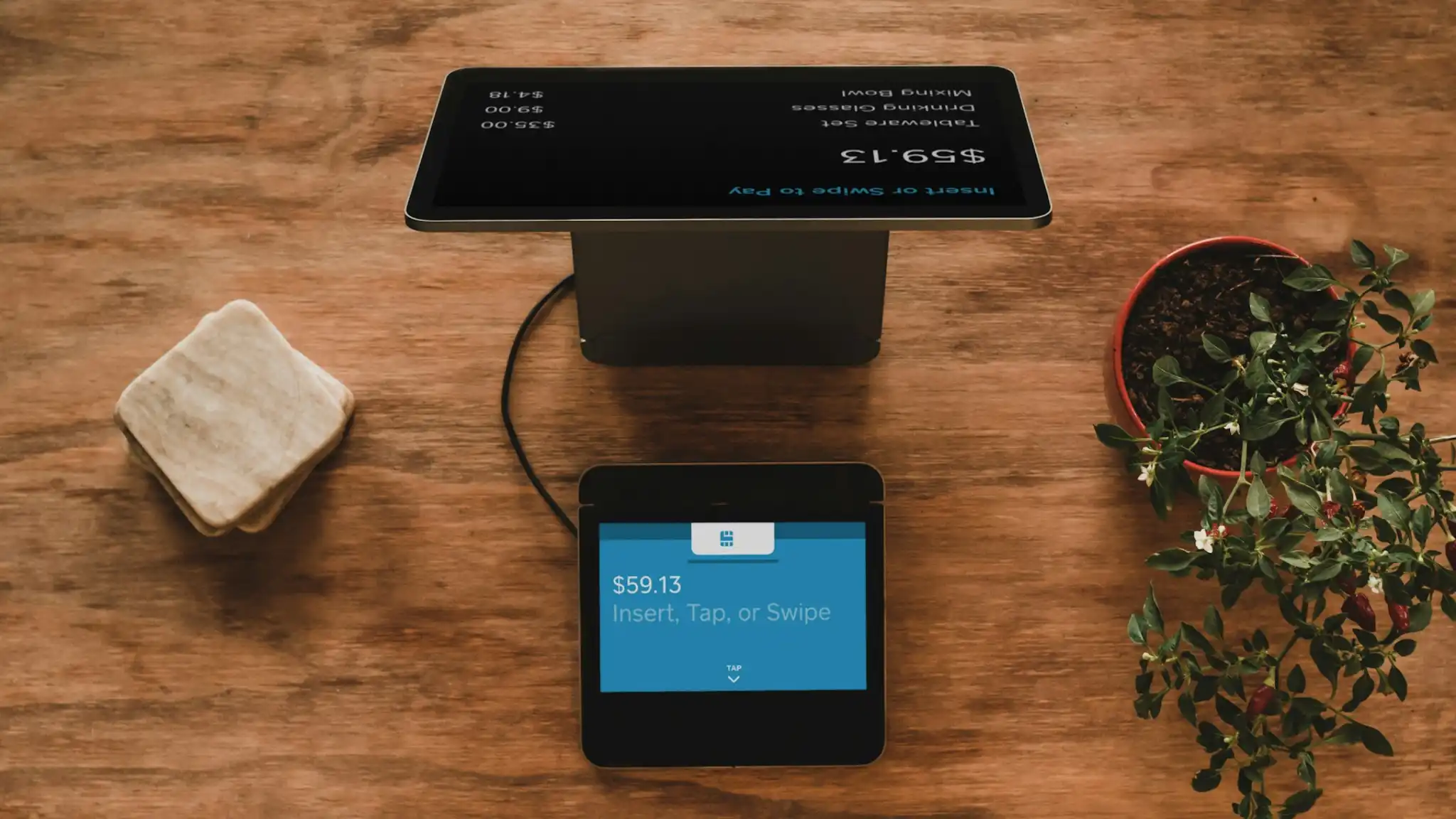
Modern businesses can achieve a secure connectivity strategy through a combination of strategic and cultural decisions, and new technological advancements.
One such advancement is SafeRetail, a new connectivity service from 1GLOBAL designed specifically for multinational retailers. SafeRetail provides a secure, reliable, and fast mobile data connection for mobile point of sale (POS) terminals, providing a more efficient and protected alternative to Wi-Fi networks.
By providing POS systems with access to 1GLOBAL’s geo-redundant and highly secured network, retailers avoid the security pitfalls of an open Wi-Fi connection and can continually download and install software updates to all devices, company-wide, via eSIM.
Identifying and mitigating risks associated with legacy systems by upgrading, isolating, or implementing compensating controls is a key requirement for satisfactory network security. SafeRetail is one of many examples of this.
Utilizing advanced tech like micro-segmentation, identity and access management (IAM) solutions, and security information and event management (SIEM) tools are other channels businesses can use to bolster their network architecture.
1GLOBAL solutions allows organizations, enterprise and network operators to manage connected eSIMs, as well as generating, hosting, and installing new consumer profiles with Zero Trust provisioning for quick connection and support of multiple devices.
Zero Trust, MDM and eSIM
The combination of Mobile Device Management (MDM) platforms and eSIM tech is a keystone of implementing Zero Trust at the enterprise level.
MDM achieves this by controlling and securing mobile devices that interact with company resources, ensure adherence to security standards before granting access, allowing app installations, encrypt sensitive data, and remote wiping if needed. This creates a continuously verified environment where only authorized users and devices can access resources, minimizing potential user error and attack surface.
eSIMs further strengthens this framework by providing stronger device identity verification, network control, and data isolation.
The ability to provision and manage eSIMs remotely over-the-air enhances efficiency, manages connectivity, and eliminates the need for physical SIM cards so reducing reliance on end-user behaviour. In essence, the combination of MDM and eSIMs enables organizations to enforce ongoing authentication and authorization, control access, and gain greater visibility into device and user activity, maintaining a proactive security posture.
1GLOBAL and Jamf
A prime example of MDM platforms and eSIM integration is in 1GLOBAL’s partnership with Jamf, a leading MDM platform. 1GLOBAL’s partnership with Jamf enables One-Touch Zero Trust activation of connectivity on iOS devices. IT teams can securely and effortlessly provision eSIM profiles, ensuring devices are ready for use without manual intervention or delays.
With Apple Automated Device Enrolment, enterprise business can provision eSIMs seamlessly to its new devices, enrolling into Jamf MDM with no end-user friction. This cutting-edge capability, provided in partnership with 1GLOBAL, lets organizations streamline device deployments globally, reducing admin overheads while maintaining the highest levels of security.
Zero Trust security provides a robust framework for maximizing international corporate communication security in today's dynamic threat landscape. By adopting Zero Trust principles, organizations can enhance their security posture, protect sensitive data, and enable secure collaboration across borders.
While implementing Zero Trust in an international environment presents challenges, following best practices and leveraging appropriate tech can help organizations overcome these hurdles and reap the full benefits of this modern security model. Contact us directly to learn more about our enterprise connectivity services.
About 1GLOBAL
1GLOBAL is a distinguished international provider of specialty telecommunications services catering to Global Enterprises, Financial Institutions, IoT, Mobile Operators and Tech & Travel companies. 1GLOBAL is an eSIM pioneer, a fully accredited and GSMA-certified telco, an MVNE, and a full MVNO in ten countries, fully regulated in 42 countries, and covers 190+ countries.
1GLOBAL delivers comprehensive communication solutions that encompass Voice, Data & SMS - all supported by a unique global core network. Its constantly expanding portfolio of advanced products and services includes MVNE services, white label eSIMs, Connectivity Solutions, Compliance and Recording, Consumer & M2M SIM Provisioning and an Entitlement Server.

 is an extensively experienced creative who has worked as a lead copywriter for numerous global clients and international household names, working on through-the-line projects, creative copy, ideation, content, marketing and brand activation for highly diverse industries in the business world. Duncan's career has included almost every sector imaginable, particularly across the tech space, making his news and industry analysis focused on eSIM, IoT and business connectivity both well-informed and engaging.
 )
)
)

